By Craig .
•
March 9, 2026
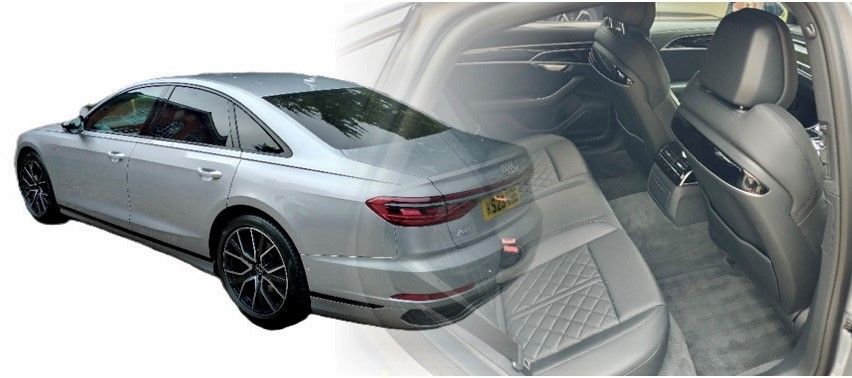
In the United Kingdom, simply travelling by car can become a puzzle when the schedule is national. One leg of the journey starts in Birmingham, the next ends at Heathrow, followed by a business dinner in London and, the next day, an early meeting in Manchester. When each stage depends on a different supplier, the result is usually more emails, more confirmations to check, changing standards and a greater risk of delays. That’s why there is a demand for a national executive chauffeur transfer UK model that functions as a one-stop service. Top providers for national executive chauffeur transfers in the UK are designed to provide a seamless, high-end travel experience across major cities. Often combining a white-glove standard of service with VIP treatment. The West Midlands, including Birmingham and Solihull, is a key service area for these transfers, highlighting regional expertise and extensive coverage. A single partner to coordinate executive transfers, airport transfers, city-to-city journeys and event support, with consistent standards from start to finish. This is exactly where a well-structured national service, such as Network Executive Chauffeurs, changes the game. Why One-Stop Works For National Executive Transfers in The UK When the passenger is an executive, travel time is not downtime. It is time for preparation, phone calls, reviewing slides, aligning with the team, and making decisions. The cost of travel is not just the price of the car; it is the total cost of logistics: delays, last-minute adjustments, confusing reimbursements, and the hassle of managing multiple providers at the same time. In the United Kingdom, simply travelling by car can become a puzzle when the schedule is national. One leg of the journey starts in Birmingham, the next ends at Heathrow, followed by a business dinner in London and, the next day, an early meeting in Manchester. When each stage depends on a different supplier, the result is usually more emails, more confirmations to check, changing standards and a greater risk of delays. That’s why there is a demand for a national executive chauffeur transfer UK model that functions as a one-stop service. Top providers for national executive chauffeur transfers in the UK are designed to provide a seamless, high-end travel experience across major cities. Often combining a white-glove standard of service with VIP treatment. The West Midlands, including Birmingham and Solihull, is a key service area for these transfers, highlighting regional expertise and extensive coverage. A single partner to coordinate executive transfers, airport transfers, city-to-city journeys and event support, with consistent standards from start to finish. This is exactly where a well-structured national service, such as Network Executive Chauffeurs, changes the game. Why One-Stop Works For National Executive Transfers in The UK When the passenger is an executive, travel time is not downtime. It is time for preparation, phone calls, reviewing slides, aligning with the team, and making decisions. The cost of travel is not just the price of the car; it is the total cost of logistics: delays, last-minute adjustments, confusing reimbursements, and the hassle of managing multiple providers at the same time. A national chauffeur service centralises what is normally spread across dozens of messages. Instead of negotiating different standards (waiting, monitoring, cancellation policy, confirmation of details) with local companies, management becomes a single flow. The advantage is not only travelling in comfort, but also operational predictability, which carries a lot of weight. With a chauffeur driven service, executives benefit from high-end, personalised transportation led by fully licensed, insured chauffeurs who prioritise safety, comfort, and a seamless experience. Network Executive Chauffeurs (NEC) works precisely with this format. An executive chauffeur service covering Birmingham and other major UK cities, ensuring every journey is fully compliant with UK regulations. Customers have praised the punctual and professional drivers at National Executive Transfers, highlighting the company's commitment to professionalism and high standards, since it has a focus on punctuality, discretion and reliability What a National Service Solves When The Agenda is Multi-City In a corporate operation, the problem is rarely finding a car. The problem is ensuring the same standard across different routes, with control and traceability. A well-designed national model tends to solve four recurring pain points, especially for PAs and travel managers: standardisation of service and car level (no surprises between cities); central coordination for last-minute adjustments; visibility and monitoring of the journey (when available); cleaner billing and communication, with less rework. NEC is a complete national package of transfers and executive car hire, focusing on door-to-door travel for business, airports and special occasions, maintaining the same standard throughout the country. Drivers are dedicated to serving clients with attentive customer care, ensuring each passenger receives helpful, courteous, and personalised service that enhances the overall experience. National Executive Transfers also offers 24/7 support for their chauffeur services. Frictionless Airport Transfers at Birmingham Airport and Beyond: Meet-and-Greet, Flight Tracking and Waiting Time Airport transfers in the UK tend to concentrate most of the stress on delays, immigration, baggage, terminal changes and peak demand. An executive service needs to work well precisely when the airport is not working as it should. At NEC, the airport is treated as a process, not a race. National Executive Transfers service provides a full meet and greet in the arrivals hall with a name sign containing the client's name or company logo, baggage assistance and escort to the vehicle. In addition, the operation works with real-time flight monitoring to adjust the chauffeur’s arrival when there are delays or early arrivals. This comprehensive service is available across the UK, including major airports. The most practical detail is what usually saves the day. NEC offers 1 hour of free waiting time at airports and 15 minutes free when picking up from a hotel, company or residence. If there is a delay at customs, passport control or baggage claim, the chauffeur will remain on site; waiting is part of the service. And that is very important. In 2025, UK airports handled a record 302 million passengers, and the Civil Aviation Authority says growth looks set to continue, with around one in three (31%) planning to fly more in 2026. More traffic tends to mean more variability, and variability is where an executive service needs to perform smoothly. All-Inclusive Price: The Detail That Avoids Arguments And Refunds When it comes to corporate travel, the problem isn't paying. It's justifying, reconciling and explaining why it came out differently. That's why NEC is all-inclusive pricing. Quotes include fuel, tolls and parking to avoid hidden fees. This reduces friction on three levels: The passenger knows what to expect (no surprise fees); The executive assistant can predict costs more accurately. The finance department receives an expense that is easier to classify. In a national service, where the trip may pass through different zones, tolls and parking dynamics, this type of clarity is no longer just good practice, but a competitive advantage. Corporate Travel With Standard Operating Procedures: Confirmations, Monitoring And Group Logistics For corporate clients, the difference between a good car and a truly professional chauffeur service is what happens outside the car. For example, how bookings are confirmed, how changes are handled, and how the operation keeps the journey under control. NEC has a booking and monitoring system with clear and concise confirmations, updates, the possibility of messaging passengers, flight and train monitoring, and traffic checks. This is especially useful for multi-leg trips (hotel → office → station → airport), where a small delay can contaminate everything else. In corporate events and group travel, the requirements increase. NEC has on-site coordinators to assist with logistics and passenger guidance, with meet and greet at airports and stations and additional support to accommodate groups in the correct vehicles. There is also an important operational point for companies: the possibility of a corporate account. NEC accepts accounts for regular users and, after a simple application and verification process, it is possible to book on an account and pay within 30 days. For organisations that need billing predictability and fewer one-off payments, this is a real differentiator. Chauffeur-Driven Fleet and Configuration: The Right Vehicle For Every Type of Journey A national service only works well when the fleet of luxury vehicles keeps pace with demand. Instead of one car that serves all purposes, NEC offers options for both individual and group travel: Executive Saloon, Luxury Saloon, and Corporate MPV, plus coaches on request when larger capacity is needed. The range of brands includes Mercedes, Audi, BMW and Tesla, giving business travellers the flexibility to match vehicle type to the journey. A trip to a meeting requires silence, stability and space to work. A family transfer requires comfort and luggage capacity. A roadshow or event requires logistics and consistency. This is where a consistent chauffeur service makes the difference: the right vehicle category, the same standard, every time. Expect practical comfort features that matter in a chauffeur-driven experience, including leather seating, privacy/anti-glare windows, air conditioning and generous legroom (with different seat configurations and space). Amenities such as water and phone charging help keep the journey smooth, while Wi-Fi and refreshments can be available in first-class experiences. When the service is domestic, this cabin standard helps deliver what the customer really buys: a predictable environment where they can arrive more prepared and less drained. Long-Distance And City-to-City: When The Car Becomes Part of The Strategy There is also a type of journey that is growing in popularity: city-to-city travel, especially when passengers want to avoid transfers and waiting times. NEC operates in major cities and airports and also specialises in long-distance journeys, including Manchester → London, as well as offering a dedicated London chauffeur service for those who need premium travel between major destinations. On these journeys, the car is no longer just a means of transport, but a continuation of the working day, with more control over time, privacy and pace. By delegating navigation and parking to a professional chauffeur, business travellers can arrive calm and focused. For the corporate agenda, this can mean arriving with energy and focus, rather than arriving already tired. Professional Chauffeur Services: Safety and Security for Every Passenger For executives, safety is not a “nice extra” — it is part of the service standard. NEC’s professional chauffeur services are built for corporate or personal needs, combining security-minded delivery with discretion and confidentiality so each journey feels controlled, calm and predictable. In practice, that means an executive car transfer service that reduces friction outside the vehicle (timing, access, coordination), not just comfort inside it. Reliability also comes from what runs behind the scenes: the fleet and its upkeep. Rather than relying on generic standard saloon cars or estate cars, NEC positions its offering around higher-spec luxury vehicles suited to executive travel and demanding schedules — with models such as Mercedes E Class and S Class, Audi A8 and V Class available for different trip profiles. Consistent presentation, proactive vehicle servicing and routine checks support day-to-day reliability, while a dedicated team keeps the operational detail tight — the kind of “invisible work” that clients recognise as exceptional service, especially in corporate travel and multi-stop itineraries. For larger movements, planning for group trips is handled with the same focus on consistency and control. Hygiene is treated as part of passenger safety, not an extra. Vehicles are thoroughly valeted after every booking, and practical items such as hand sanitiser, tissues or wipes are available in the vehicle—useful for corporate schedules, airport days and high-traffic journeys. This security-led approach extends naturally to airport transfers without adding friction: clients can expect professional handling and consistent standards across all major UK airports, including Birmingham Airport, supported by operational elements such as meet-and-greet and flight monitoring where required. The Ultimate Benefit: National Consistency With Human Contact Ultimately, what a national executive chauffeur service delivers is not just a nice car. It is consistency. It is the feeling that every step is under control, even when the airport is delayed or traffic changes. NEC offers national coverage, executive service with a focus on punctuality and discretion, all-inclusive pricing, and an airport transfer package with 1 hour of waiting time, flight tracking, and meet and greet. Add this to the corporate structure and the result is a one-stop service model that makes sense for both travellers and those who organise their trips. For those who need to take the operation out of firefighting mode and put it into predictable mode, it is necessary to choose a national partner with executive standards, clear compliance and the real ability to serve from the airport to the boardroom, from the event to the hotel, from the entire UK to a single coordination. How to Book a Reliable Chauffeur Exceptional Service (Step-by-Step Guide) To book a chauffeur smoothly, treat it as a simple checklist. A professional chauffeur company will usually confirm everything in writing and keep the process predictable, especially for airport chauffeur booking and multi-stop itineraries. Start by sharing your route, timings and any flight or train details (if applicable). Then choose the right vehicle category (Executive Saloon, Luxury Saloon or Corporate MPV) based on passengers and luggage. Next, confirm the operational details that make a reliable chauffeur service reliable: meet-and-greet requirements, waiting time policy, and live monitoring (flight tracking and traffic checks). Finally, complete your executive car booking with a clear confirmation that includes pick-up point, contact details and any special requests, so the service runs smoothly on the day. Why choose Network Executive Chauffeurs (NEC) When an itinerary spans multiple cities, the risk is not the journey itself — it’s the admin: multiple suppliers, inconsistent standards, last-minute changes and preventable delays. For executives and the teams who organise them, that friction quickly becomes cost. NEC is built as a nationwide one-stop service, providing a consistent chauffeur standard across the UK with a single point of coordination for airport transfers, city-to-city travel and event logistics. With professional, licensed chauffeurs, real-time monitoring (where required) and clear, all-inclusive pricing, bookings stay predictable from start to finish. If you need reliable executive travel without the back-and-forth of managing different providers, NEC is designed to simplify the operation and keep schedules under control. Summary A nationwide executive chauffeur service is most valuable when it removes operational friction from multi-city travel. This guide explains how a one-stop model supports consistent standards across locations, simplifies changes and communication for PAs and travel managers, and improves cost control through clearer billing. It also outlines the practical details that protect schedules, meet-and-greet, live monitoring for flights and traffic (where available), defined waiting time, fleet options for individuals and groups, and corporate account terms, so journeys remain predictable even when airports and roads are not. FAQ